
Health Bytes • Everyday nourishment
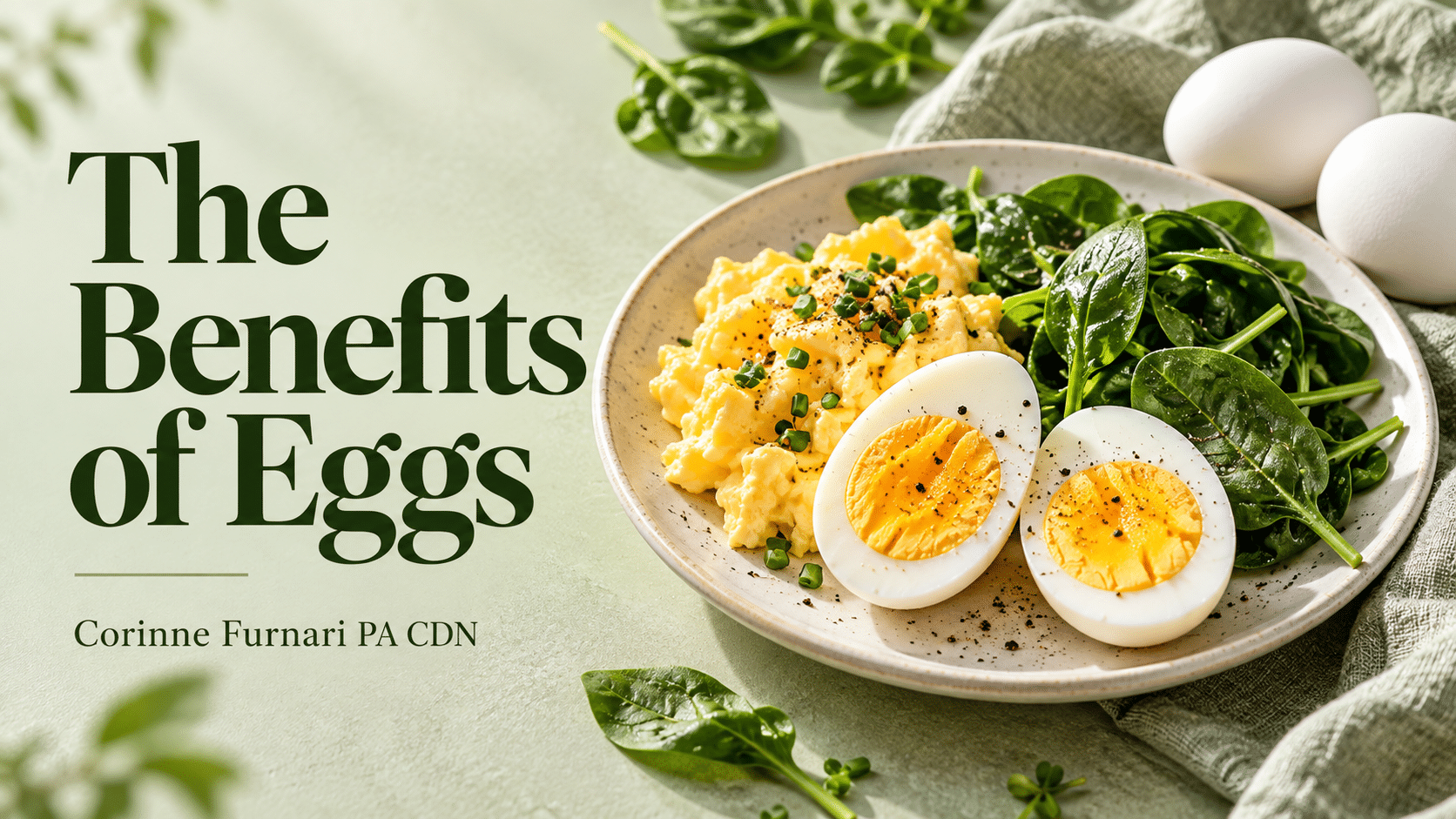
The Benefits of Eggs
Simple, affordable, nourishing. Let’s take a fresh look at a food that has been misunderstood for decades.
I want to start with something I hear in my office all the time. A patient sits down, looks a little uneasy, and says, “I’ve been avoiding eggs… I heard they’re bad for cholesterol.”
And I always think: this is one of those nutrition conversations that deserves a fresh look. Because eggs—simple, familiar eggs—are one of the most useful, nourishing foods we have.
So let’s talk about them the way I talk to my own patients: clearly, calmly, and with real-world practicality.
Inside the shell
Why Eggs Matter More Than People Realize
An egg packs high-quality protein, fats, vitamins, minerals, and antioxidants into a small package. Its protein is complete, meaning it supplies all nine essential amino acids. Eggs do not provide everything you need—fiber, for example—but they can be a valuable part of a nourishing meal.
Select a nutrient below to see what it does for your body.
Protein for muscle and repair
Eggs offer high-quality protein that your body uses to maintain muscle, repair tissues, and make enzymes and immune proteins. Adding protein to breakfast can also help make that meal more satisfying.
Choline for your nervous system
The yolk supplies choline, an essential nutrient your body needs for cell membranes and acetylcholine, a chemical messenger involved in memory and muscle control. A large hard-boiled egg provides about 147 mg of choline.
Vitamins and minerals
Eggs provide B vitamins, vitamin A, some vitamin D, selenium, and iodine. These nutrients contribute to normal metabolism, thyroid function, and other everyday processes. Amounts vary with egg size and production conditions.
Lutein and zeaxanthin for your eyes
These carotenoids are found in the yolk and in the retina of your eye. Eggs can contribute them to your diet alongside leafy greens and other colorful vegetables.
A closer look at choline
Keeping the yolk helps you keep this important nutrient.
| Serving | Choline |
|---|---|
| 1 large hard-boiled egg | 147 mg |
| 2 large hard-boiled eggs | 294 mg |
Adult adequate intakes are 425 mg for women and 550 mg for men; needs differ during pregnancy and breastfeeding. The two-egg row is a nutrient comparison, not a daily serving recommendation. Source: NIH Office of Dietary Supplements.
The question I hear most
What About Cholesterol?
Egg yolks contain cholesterol. But the cholesterol in a food and the cholesterol measured in your blood are not interchangeable. The overall pattern of your diet matters, including the amount and type of fat you eat.
Eggs can fit into a heart-healthy eating pattern. That does not mean everyone responds identically: dietary cholesterol can raise LDL in some people. If your LDL is elevated or you have a cholesterol disorder, the amount that works for you deserves an individual conversation.
Look at the whole breakfast—and the whole person.
Can I eat eggs every day?
For healthy adults, the American Heart Association’s dietary cholesterol advisory allows up to one whole egg daily within a healthy eating pattern. Your needs, medical history, and blood work can help guide a different plan. Additional whites can supply protein without adding yolk cholesterol.
Should I throw away the yolk?
The yolk contains most of the egg’s choline and its lutein and zeaxanthin. Whites are useful for extra protein, but discarding every yolk also discards valuable nutrients. Choose the balance that suits your needs.
Wondering what works for your body?
We can look at your eating habits, symptoms, and blood work together and build a practical nutrition plan that fits your life.
Put it into practice
Give Your Morning a Nourishing Start
A breakfast with protein can help you feel fuller. Eggs are affordable, accessible, and easy to prepare—one simple way to improve a meal without a complicated diet.
Pair them with vegetables or greens for fiber. Scramble them with a little olive oil, or poach or boil them in water. Add other foods as needed to make the meal satisfying; eggs alone may not supply enough protein for your breakfast needs.
Plan tomorrow’s breakfast
Choose a step below to plan a more nourishing morning.
Choose your protein
Eggs, extra whites, or another protein food that suits your needs.
Add vegetables
Try spinach, mushrooms, tomatoes, or leftover greens.
Choose your cooking method
Scramble, poach, or boil—keep it simple.
Notice how you feel
Pay attention to satisfaction and energy before lunch. These observations do not measure blood sugar or cholesterol.
One small choice can become a habit
If you’ve been avoiding eggs because of old information, it may be time to revisit that choice. If your mornings feel rushed or unsteady, consider a more nourishing start.
Tomorrow morning, give yourself one simple gift: eat something that supports your body. Your health is built from small, consistent choices—and eggs can be one of those choices.
Let’s make nourishment practical
If you need help turning nutrition information into everyday choices, visit my practice website to learn about working with me.
